Can Dental Crowns Get Cavities?
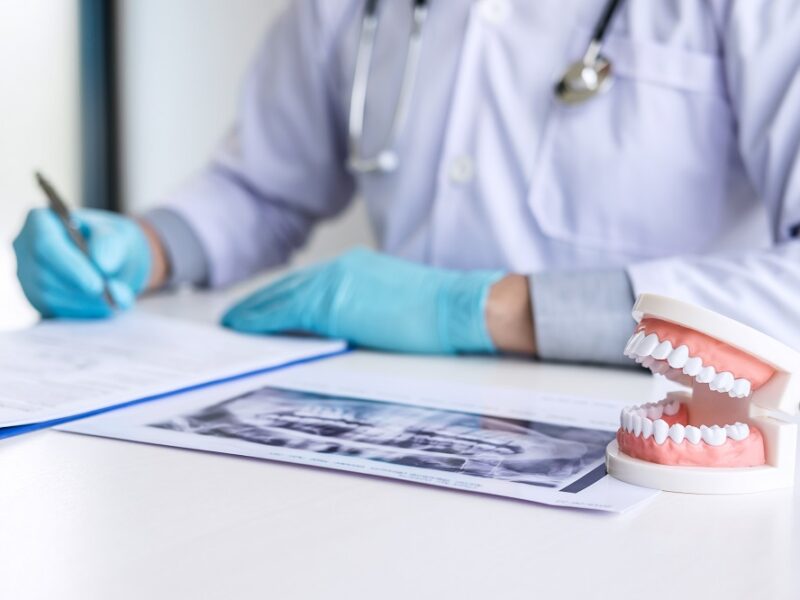
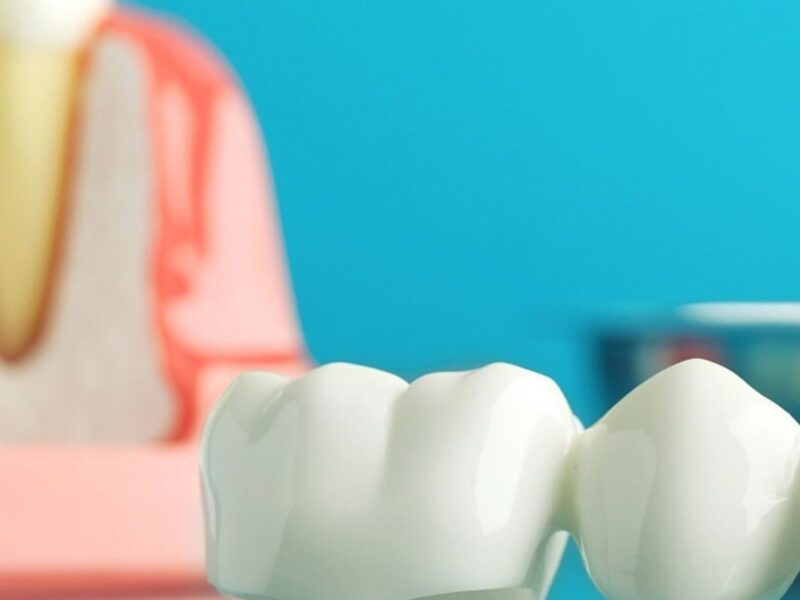
It is a fair question, and one that comes up often in dental offices because the short answer sounds contradictory at first. A dental crown itself cannot get a cavity if the crown is made from porcelain, ceramic, zirconia, metal, or a combination of those materials. Cavities form in natural tooth structure, not in the crown material. What can happen, and what dentists see every day, is decay forming at the edge of the crown where it meets the remaining natural tooth.
That distinction matters. Patients are often told a crown will protect a weakened tooth, and that is true. A well-made crown can restore strength, shape, and function for many years. But a crown is not a force field. If bacteria and acids collect along the margin, especially near the gumline, the tooth underneath can still decay. In some cases the decay stays small for a while. In other cases it travels under the crown before the patient feels anything at all.
Understanding how that happens makes it much easier to prevent it.
What a crown does, and what it does not do
A crown is essentially a custom-made cap that covers most or all of the visible part of a damaged tooth. Dentists use crowns after large fillings, root canals, fractures, severe wear, or when a tooth has simply lost too much structure to function reliably without reinforcement.
The crown replaces the outer form of the tooth, but it usually does not replace every bit of the tooth. Underneath that restoration there is still a prepared core of natural tooth in many cases. That remaining tooth structure is bonded or cemented to the crown, and the edge where crown and tooth meet is one of the most important areas in restorative dentistry.
When patients hear the word "cap," they sometimes picture the entire tooth sealed away permanently, almost like putting a lid over a jar. Real mouths are not that simple. Crowns live in a wet, high-pressure environment filled with saliva, temperature changes, bacteria, chewing forces, clenching, and constant plaque exposure. Even excellent work ages. Cement can wash out over time. Gum tissue can recede. A margin that was once hidden can become exposed. Habits, diet, and home care all influence how long the restoration stays healthy.
So the better answer is this: dental crowns do not decay, but crowned teeth can absolutely develop cavities.
Where cavities form around crowned teeth
Most recurrent decay around crowns starts at the margin. That is the seam where the crown ends and the tooth begins. If plaque sits there regularly, bacteria metabolize sugars and release acids. Those acids soften enamel or dentin in the exposed natural tooth. Once a small defect begins, it can widen under the edge of the crown.
This is one reason dentists spend so much time checking crown margins at hygiene visits. A crown can look perfectly fine from the top while a problem is developing lower down. Small defects are especially easy to miss if the area sits between teeth or just under the gumline.
Decay is more likely when the margin is on root surface rather than enamel. Root surfaces are softer and demineralize faster. That becomes more relevant as people age or if they have gum recession. A crown that served well for ten or fifteen years may suddenly become vulnerable simply because the surrounding gum and bone levels changed, exposing areas that were once protected.
There is another practical point patients do not always hear. A crowned tooth may have had a large cavity before the crown was placed. That means the tooth already started with some biological disadvantage. It was restored because it needed serious help. Crowns can dramatically improve prognosis, but they do not erase the history of the tooth.
Why a crowned tooth can still decay
Cavities around crowns do not happen for one single reason. Usually it is a mix of biology, time, and mechanics.
Poor plaque control is the biggest factor. If a patient brushes quickly, skips flossing around tight contacts, or struggles to clean near the gumline, the margin becomes a natural trap. The crown may feel smooth, but the transition between materials can still hold plaque.
Diet matters more than most people expect. The issue is often not dramatic amounts of candy. Frequent sipping, snacking, sweetened coffee, sports drinks, flavored sparkling water, or even constant dried fruit can keep the mouth acidic for long stretches. That repeated acid challenge is hard on any tooth, crowned or not.
Dry mouth is another major driver. Saliva buffers acid and helps wash away food debris. People taking antidepressants, antihypertensives, antihistamines, sleep medications, or certain pain medications often produce less saliva. So do people undergoing cancer treatment, living with autoimmune conditions, or breathing through their mouths at night. In a dry mouth, margins break down faster.
Then there is the quality and age of the restoration itself. Even a carefully made crown can eventually develop a compromised seal. Some crowns last well beyond fifteen years. Others need replacement sooner because of bite forces, cement failure, fracture, recurrent decay, or changes in the surrounding tooth and gums. A crown with an open margin or poor fit is much harder to keep clean and much more likely to harbor bacteria.
Bruxism also plays a role. People who grind or clench put enormous stress on teeth and restorations. Those forces can create microscopic movement at the margin over time, wear opposing teeth, chip ceramic, and make small defects worse. Often the patient is unaware of the habit until the signs become obvious.
Symptoms are not always reliable
One of the frustrating things about decay under or around crowns is that it may not hurt at first. Patients often assume no pain means no problem. In reality, many crowned teeth with recurrent decay are found during routine exams or on X-rays, not because of symptoms.
When symptoms do show up, they vary. Some patients notice cold sensitivity along the gumline. Others feel food catching around the crown or detect a rough edge with the tongue. A crown may smell bad when floss is pulled through if bacteria and debris are trapped in the area. Sometimes the first clue is gum inflammation around just one tooth. In more advanced cases, the tooth may ache when biting, become tender, or develop a visible dark line at the margin.
Here are some common warning signs worth taking seriously:
- Floss shredding, catching, or smelling foul around a crowned tooth
- Sensitivity near the gumline, especially to cold or sweets
- Redness, bleeding, or puffiness around the crown margin
- A loose feeling, pressure when chewing, or a change in bite
- A dark edge, shadow, or new roughness where the crown meets the tooth
None of those signs proves a cavity by itself, but they are enough to justify an exam.
How dentists check for decay around a crown
Diagnosis is part visual, part tactile, and part radiographic. A dentist will look closely at the margin, assess the gums, and often use an explorer gently to feel for roughness or gaps. Bitewing X-rays are especially helpful for spotting decay between teeth or under the edges of crowns, though not every cavity is perfectly visible on an X-ray.
Clinical judgment matters here. A crown can have a stain at the margin that is harmless, or it can have a tiny-looking defect that hides significant decay underneath. Dental materials, lighting, saliva control, and the position of the tooth all influence what can be seen.
At times the only way to know how much decay exists is to remove the crown. This is common when a crown appears loose, repeatedly traps food, or shows suspicious radiographic changes. Patients are often surprised to learn that what looked like a simple replacement becomes a more involved procedure once the old crown comes off. That is not poor planning. It is the reality that some damage is hidden until access is gained.
Which crowns are more likely to have problems?
Patients sometimes ask whether one crown material gets cavities more often than another. The material itself is not the source of decay. Porcelain does not rot. Zirconia does not rot. Gold does not rot. What matters more is margin quality, location, bite, oral hygiene, and the condition of the remaining tooth structure.
That said, different situations carry different risk profiles. A beautifully fitting gold crown on a patient with low cavity risk can last a very long time. A highly aesthetic ceramic crown on a front tooth can also last well, especially if the patient has good home care and a stable bite. Problems arise more often when the remaining tooth is very compromised, the margin sits deep near the gumline, or the patient has a dry mouth or heavy decay history.
Back molars deserve special mention because they take the heaviest chewing load and are harder to clean. A lower second molar with a crown, slight gum recession, and a patient who struggles to floss that far back is a very common place for recurrent decay. Not because the crown is bad, but because the conditions are stacked against it.
Can a root canal tooth under a crown still get a cavity?
Yes, and this causes confusion because patients often equate root canal treatment with immunity. A root canal removes infected or inflamed tissue from inside the tooth. It does not make the remaining tooth structure decay-proof. In fact, many root canal treated teeth receive crowns because they are structurally vulnerable.
A tooth without a nerve may not feel early decay the same way a vital tooth does. That can delay detection. A crowned root canal tooth may look quiet and painless while decay advances at the margin. If it progresses far enough, the tooth can fracture or develop decay so deep that it becomes non-restorable.
This is one reason routine follow-up matters even when a crowned root canal tooth feels completely normal.
What happens if there is a cavity under a crown?
Treatment depends on how much healthy tooth remains. If the decay is small and detected early, the dentist may be able to remove the old crown, clean out the cavity, rebuild the tooth, and place a new crown. If the underlying tooth structure is still strong enough, that is often the best-case scenario.
If the decay extends deeper, more reconstruction may be needed. Sometimes a core build-up is required to replace lost tooth structure. If the tooth has not had a root canal and the decay reaches the pulp, root canal treatment may become necessary before a new crown can be made.
The harder conversation happens when the cavity has destroyed too much tooth or extends below the bone. In that situation, the tooth may no longer be restorable. Extraction and replacement options such as an implant or bridge may need to be discussed.
That sounds severe, but it is exactly why small warning signs should not be ignored. The difference between replacing a crown and losing a tooth is often timing.
How long do dental crowns usually last?
There is no honest universal number, although many crowns last somewhere in the range of 5 to 15 years, and quite a few last longer. Longevity depends on the original condition of the tooth, the skill of the preparation and fit, the material used, bite forces, oral hygiene, decay risk, and regular maintenance.
In practice, crowns fail in a few predictable ways. They may crack or chip. The cement may break down. The tooth may develop recurrent decay. The bite may change. The margin may become exposed due to recession. Sometimes the crown itself is still intact, but the tooth underneath is not.
A crown reaching ten or more years of service is not automatically a problem. Plenty of older crowns remain excellent. What matters is not age alone, but whether the margins remain sealed and the supporting tooth is healthy.
The habits that make the biggest difference
Patients often expect complicated advice, but prevention around crowns is mostly about consistency. Margins fail when plaque sits undisturbed, when sugars hit the teeth all day long, or when dry mouth and grinding go unaddressed.
The following habits have the strongest real-world impact:
- Clean the gumline carefully twice a day with a soft toothbrush and fluoride toothpaste
- Floss or use another effective interdental cleaner around crowned teeth every day
- Limit frequent sipping and snacking, especially sugary or acidic drinks
- Keep dry mouth under control with hydration, saliva-supporting products, and medication review when needed
- Wear a night guard if you clench or grind and your dentist recommends one
Those basics are more valuable than fancy gadgets used inconsistently.
Flossing around crowns, without overthinking it
A surprising number of people avoid flossing around crowns because they worry they will pull the crown off. In a healthy, properly cemented crown, normal flossing should not dislodge it. If floss repeatedly catches or Dental Crowns simpledentalca.com loosens the crown, that is a sign to have it checked, not a reason to stop cleaning the area.
Technique matters. Sliding floss gently under the contact and wrapping it around the side of the tooth helps clean the margin without snapping into the gums. For bridges or areas with larger spaces, interdental brushes or floss threaders may work better. There is no prize for using the most traditional tool. The right cleaner is the one the patient will use thoroughly and correctly.
Electric toothbrushes can also help because they improve plaque removal along margins for many patients. They do not replace flossing, but they often improve brushing quality, especially for people who tend to rush.
Gum recession changes the equation
One of the more overlooked reasons crowned teeth develop decay later in life is gum recession. When the gums recede, root surface becomes exposed. That exposed root is softer than enamel and more vulnerable to decay, especially in patients with dry mouth or high sugar frequency.
A crown margin that was once covered and sheltered may become more difficult to clean and more exposed to plaque. This does not mean the crown was done incorrectly. It means mouths change over time. The restoration has to age along with the surrounding tissues.
This is why recall visits matter even for patients who have not had a cavity in years. Risk can change because of medications, recession, dexterity, diet, or medical conditions, not just because someone suddenly stopped caring for their teeth.
When replacement is smarter than watching
Not every questionable crown needs immediate Dental Crowns replacement, but some definitely do. A crown with a clearly open margin, recurrent decay, recurrent food packing, persistent gum inflammation, or radiographic evidence of breakdown usually does not improve with time. Watching it too long often turns a manageable repair into a larger rebuild.
On the other hand, replacing a crown simply because it is old, with no signs of failure, is not always the right move. Good dentistry balances intervention with preservation. Every time a crown is redone, a little more tooth structure may be sacrificed. The aim is to replace crowns when there is a clear benefit, not on a rigid schedule.
That judgment is one reason experienced clinical evaluation matters. Dentistry is rarely about one-size-fits-all rules.
The most useful way to think about it
A crown is a restoration, not an invincible shell. It gives a damaged tooth a second chance, sometimes for many years, but the biological part of the tooth is still part of the story. If the seal at the edge remains healthy and the area stays clean, a crown can perform beautifully. If plaque, diet, dry mouth, recession, or bite stress overwhelm that margin, cavities can return.
So, can dental crowns get cavities? The crown itself cannot. The tooth wearing the crown can.
That is the distinction patients should remember, because it shifts the focus from the material to the margin, from the crown alone to the whole tooth, and from passive hope to practical prevention. A well-made crown plus attentive home care plus regular dental review is still one of the most reliable combinations dentistry has to preserve a compromised tooth.
Simple Dental South Gate
Address: 8617 California Ave, South Gate, CA 90280
Phone number: +13236896118
FAQ About Dental Crowns
How much do crowns cost per tooth?
In the United States, a single dental crown typically costs between $800 and $2,500 per tooth without insurance. The ultimate out-of-pocket price depends heavily on the crown material, the location of the tooth, and whether you have dental insurance coverage.
What is the downside of crowns on teeth?
The primary downside of a dental crown is that the procedure permanently removes natural tooth enamel to shape the tooth for the cap.
Why do dentists push for crowns?
Dentists recommend crowns because a large filling cannot provide enough strength when a tooth loses a major portion of its structure or faces heavy chewing pressure.